
plugged in ⚡

If your home has single strand aluminum branch circuit wiring, that does not automatically mean the entire home must be rewired. What matters is the type of wiring present, the condition of the conductors and connections, previous repairs, and whether the connections throughout the home have been properly addressed.
At 5th Generation Electric, we help homeowners throughout Dallas, East Dallas, Mesquite, Garland, Richardson and surrounding communities evaluate aluminum wired homes and understand their repair options.
Depending on the condition of the electrical system, those options may include AlumiConn aluminum wiring remediation or replacing the affected aluminum branch circuit wiring with copper.
Our goal is simple: identify what you actually have, explain what we find, and help you make an informed decision about your home.
Concerned about aluminum wiring in your home? Call 5th Generation Electric at 214-728-1977 to schedule an electrical evaluation.
What is Aluminum Wiring
During the 1960s and early 1970s, aluminum wiring was used in many homes as an alternative to copper for branch circuits supplying receptacles, switches, lighting and other electrical loads.
It is important to understand that not all aluminum wiring is the same.
Large aluminum conductors are still commonly used today for electrical services, feeders and other applications when the conductors and equipment are properly designed and installed for aluminum.
The aluminum wiring that typically creates concern in older homes is single strand aluminum branch circuit wiring installed during a particular period in residential construction.
The concern is often not simply that the conductor is aluminum. Problems can develop at the connection points where the aluminum conductor terminates at receptacles, switches, light fixtures, junction boxes and other equipment.
That distinction is important when determining what actually needs to be repaired.
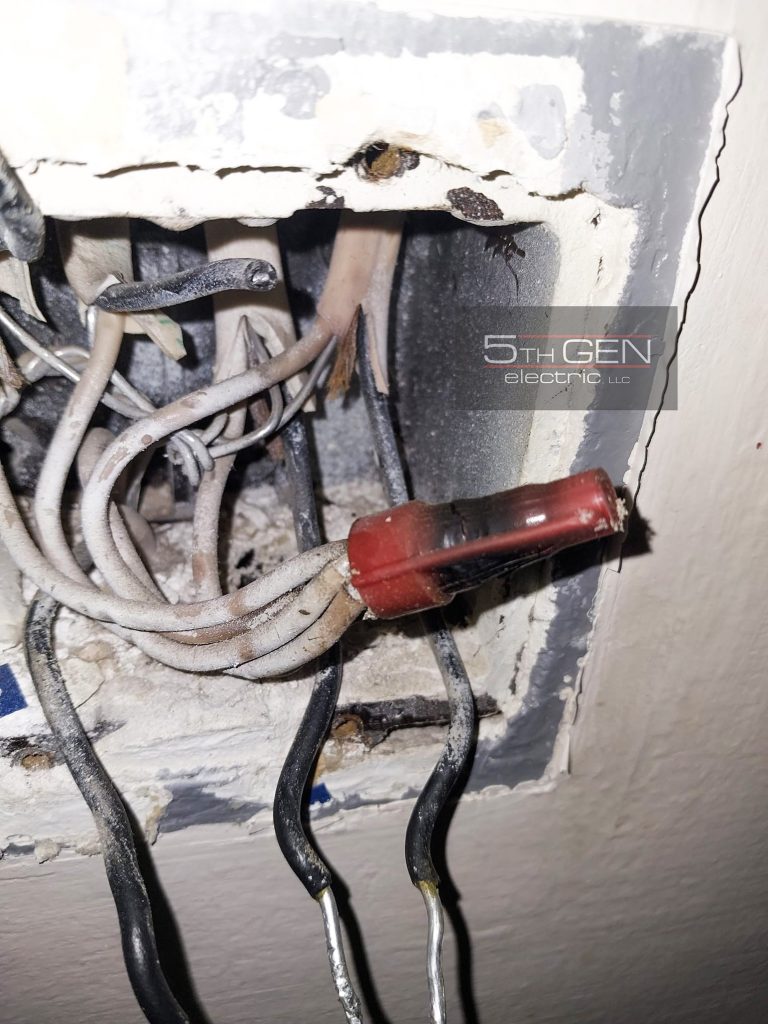
Electrical connections need to remain mechanically secure and electrically sound.
Older aluminum branch circuit wiring has characteristics that can make its connections more sensitive to installation methods, conductor preparation, device compatibility and proper torque.
Problems may develop from conditions such as:
A poor electrical connection creates resistance. Increased resistance can create heat, and excessive heat can damage wiring, receptacles, switches and other components.
This is why properly evaluating an aluminum wired home involves much more than simply looking inside the electrical panel.
The most reliable way to determine whether your home has aluminum branch circuit wiring is to have the electrical system evaluated by a qualified electrician.
An electrician may identify aluminum conductors through conductor markings, visual inspection at accessible locations, electrical panels, devices and other components of the electrical system.
We do not recommend homeowners remove receptacles, switches, electrical panel covers or other electrical equipment simply to determine whether aluminum wiring is present.
If you are buying an older home, recently purchased one or have been told by an inspector or insurance company that aluminum wiring may be present, an electrical evaluation can help determine exactly what you are dealing with.
Aluminum wiring problems are not always obvious. An electrical system can have questionable connections without producing noticeable symptoms.
However, warning signs that deserve professional evaluation can include:
If you notice burning odors, visible scorching, arcing or excessive heat, stop using the affected circuit and contact a qualified electrician.
The absence of these symptoms does not necessarily confirm that every aluminum connection in a home has been properly repaired.
One of the most common questions we receive is:
“Do I have to rewire my entire house because it has aluminum wiring?”
Not necessarily.
The right solution depends on the condition of the home, accessibility, previous alterations, conductor condition and the homeowner’s goals.
The U.S. Consumer Product Safety Commission has published guidance concerning aluminum branch-circuit wiring and repair methods.
There are three important approaches homeowners will commonly encounter when researching aluminum wiring.
Replacing the affected aluminum branch circuits with copper removes the older aluminum branch circuit conductors from those circuits.
For some homes, this is the best long term solution.
A rewire may make particular sense when:
However, rewiring an existing finished home can be a substantial project.
Access may be required through walls and ceilings, and the project can involve significantly more labor, time and restoration than connection level remediation.
That is why we evaluate the home before recommending one approach over another.
COPALUM is a specialized repair method that creates a permanent connection between aluminum and copper conductors using a specific crimping system.
It requires specialized equipment and installers trained and equipped to perform the repair correctly.
COPALUM is one of the repair methods recognized by the U.S. Consumer Product Safety Commission for aluminum branch-circuit wiring.
At 5th Generation Electric, our aluminum wiring remediation process has been standardized around AlumiConn connectors when remediation is appropriate rather than complete rewiring.
For homeowners who do not need or do not choose a complete copper rewire, AlumiConn remediation can provide another permanent repair approach when properly installed in accordance with its listing and manufacturer requirements.
5th Generation Electric uses King Innovation AlumiConn aluminum to copper connectors as part of our aluminum wiring remediation process.
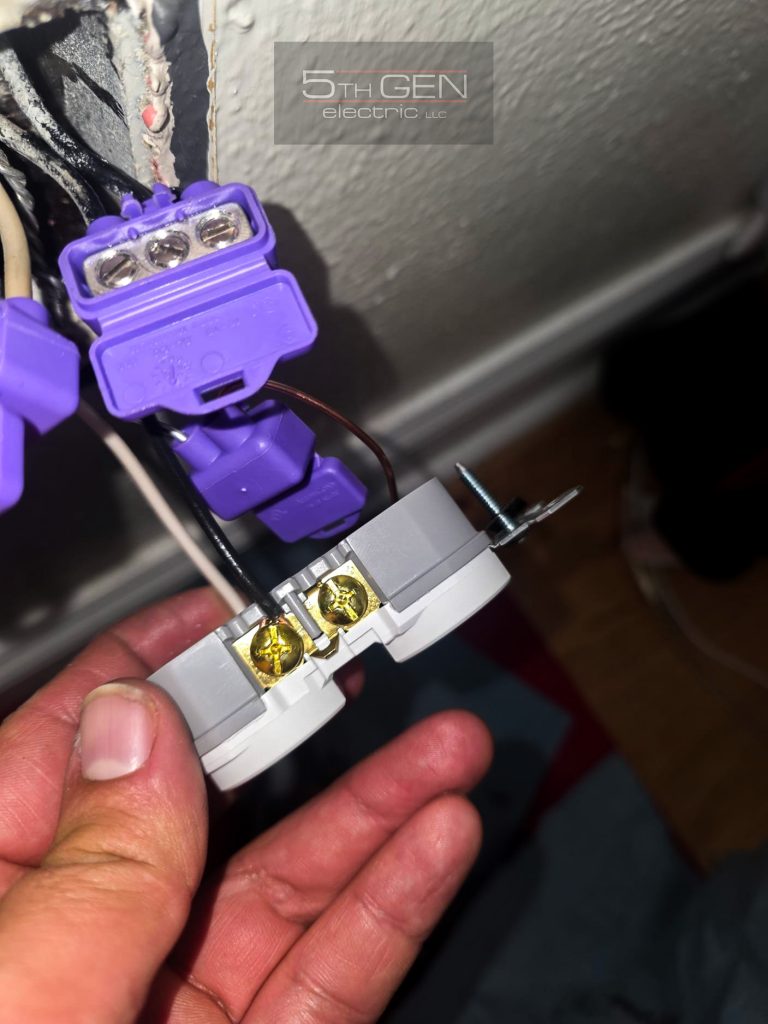
An AlumiConn connector provides separate ports for the conductors and uses set screws to create secure mechanical connections.
A copper conductor can then be connected between the AlumiConn connector and the electrical device or other applicable termination.
The important part is not simply purchasing an AlumiConn connector.
The quality of the installation matters.
The conductor must be evaluated, properly prepared, inserted correctly and tightened according to the manufacturer’s requirements. The electrical box must also have sufficient capacity for the completed installation.
Aluminum is softer than copper, making proper workmanship particularly important.
Too little torque can result in an inadequate connection.
Too much torque can damage the conductor.
This is one reason we recommend aluminum wiring remediation be performed by electricians familiar with the system and the manufacturer’s installation requirements.
This is one of the most important things homeowners should understand.
An aluminum-wired home’s electrical connections are not limited to the receptacles you can see.
Aluminum branch circuits may terminate or splice at:
Simply replacing a few outlets does not mean the aluminum wiring throughout a home has been comprehensively remediated.
Likewise, discovering an AlumiConn connector in one electrical box does not automatically mean every aluminum connection in the home has been addressed.
When evaluating previous aluminum wiring repairs, one of the questions we want answered is:
What was actually repaired, and how thoroughly was the work completed?
Every home is different, but our goal is to approach aluminum wiring systematically rather than treating individual devices in isolation.
There isn’t one answer that is right for every home.
AlumiConn remediation may make sense when:
The existing aluminum conductors are in serviceable condition, comprehensive remediation is practical, and the homeowner wants to address the connection points without the disruption of replacing all affected branch-circuit wiring.
Complete copper rewiring may make sense when:
The existing wiring is damaged, the electrical system has extensive modifications, accessibility makes rewiring practical, major remodeling is already planned or the homeowner wants to replace the older branch-circuit wiring entirely.
Our job isn’t to automatically push every homeowner toward the largest project.
It is to explain the condition of the electrical system, the available options and the differences between them so you can make an informed decision.
There is no responsible one-price-fits-all answer for aluminum wiring remediation.
Two similarly sized homes can have very different electrical systems.
Factors that can affect the cost include:
For that reason, 5th Generation Electric evaluates the home’s electrical system before developing the recommended scope and pricing.
This gives you something much more useful than an internet estimate: a plan based on your actual home.
Finding aluminum wiring during the purchase of a home does not automatically tell you whether the electrical system is safe, unsafe, properly remediated or in need of a complete rewire.
It tells you that more information is needed.
Before making decisions, useful questions include:
What type of aluminum wiring is present?
Which circuits contain aluminum wiring?
Has the wiring previously been remediated?
Which repair method was used?
Was the repair comprehensive or were only selected devices addressed?
Is documentation available showing what work was completed?
What is the current condition of the wiring and connections?
Does your homeowners insurance company have specific requirements?
If a home inspector identifies aluminum wiring, consider having the electrical system evaluated by a qualified electrical contractor familiar with aluminum branch-circuit wiring before deciding what repair strategy is appropriate.
We do not recommend aluminum branch-circuit remediation as a DIY project.
A successful repair requires more than connecting two wires together.
The electrician must understand conductor condition, compatible equipment, proper conductor preparation, electrical box capacity and manufacturer specified installation requirements.
Proper torque is particularly important.
An improperly installed repair can create the very connection problem the remediation is intended to address.
The presence of aluminum wiring alone does not tell you the condition of every connection in the home. The concern with older single strand aluminum branch circuit wiring is primarily associated with connection and termination problems that can lead to overheating. The electrical system should be properly evaluated to determine its condition.
Not in every home. Complete copper replacement is one option. Properly installed repair methods such as AlumiConn remediation may provide another option depending on the condition and configuration of the electrical system.
AlumiConn is an aluminum to copper lug-style connector manufactured by King Innovation. It uses separate conductor ports and set screws to create mechanical connections between the aluminum and copper conductors.
Yes. The U.S. Consumer Product Safety Commission has recognized AlumiConn as a repair method for aluminum branch circuit wiring when properly installed.
No. AlumiConn is a specifically designed aluminum to copper connector. Aluminum wiring should not be treated like ordinary copper wiring or repaired using connectors that are not intended for the application.
Both are recognized approaches for repairing aluminum branch circuit connections, but they use different methods. COPALUM uses a specialized crimping system. AlumiConn uses a lug style connector with separate conductor ports and set screws.
Replacing selected devices does not address all of the other aluminum connections that may exist throughout a home. A comprehensive evaluation should consider the entire affected electrical system and the applicable connection points.
Seeing a repair at one receptacle does not establish that every connection was remediated. Documentation from the contractor who completed the work is helpful. When documentation is unavailable, an electrical evaluation may be needed to better understand what was previously completed.
Aluminum wiring should be treated as a condition to investigate rather than an automatic reason to purchase or reject a home. Determine what wiring is present, its current condition, whether remediation has already been performed and what your insurance company may require.
Project length depends on the size of the home, number of circuits and connection points, accessibility, previous modifications and conditions discovered during the work. We establish the scope before beginning the remediation so homeowners understand what their particular project involves.
Insurance requirements vary by carrier and policy. If your insurance company has requested aluminum wiring repairs, ask them exactly what documentation or repair method they require. We recommend confirming those requirements directly with your insurer before work begins.
A lack of visible symptoms does not establish the condition of every connection in an aluminum-wired home. If you know or suspect your home contains older single strand aluminum branch circuit wiring and you do not know whether it has been properly evaluated or remediated, having the system professionally evaluated can provide useful information about its condition.
5th Generation Electric is a residential electrical contractor based in Mesquite and serving homeowners throughout East Dallas and surrounding communities, including areas such as Mesquite, Garland, Richardson, Lakewood, Lake Highlands, Casa Linda, Casa View, Highland Park, University Park and Far North Dallas.
Older homes are part of what makes many of these communities unique, but older electrical systems can present conditions that deserve specialized attention.
If your home has aluminum wiring or you simply aren’t sure what type of wiring you have we can help you understand it.
We believe homeowners should know what was found, why it matters and what their options are before deciding how to proceed.
Don’t guess about what is behind your walls.
5th Generation Electric can evaluate your home’s electrical system, identify aluminum branch-circuit wiring and explain the repair options that make sense for your particular home.
Whether the right solution is AlumiConn remediation, targeted electrical repairs or complete copper rewiring, we’ll help you understand the differences so you can make an informed decision.
Call 5th Generation Electric at 214-728-1977 to schedule an electrical evaluation.
Eddie Nichols is the owner and Master Electrician of 5th Generation Electric. Eddie began working in the electrical trade in 2001 and has more than two decades of experience evaluating, troubleshooting, repairing and upgrading residential electrical systems.
5th Generation Electric was founded in 2016 with a focus on electrical safety, homeowner education and doing the work the right way. Our team believes homeowners should understand their electrical system and the reasoning behind the solutions we recommend.
For additional technical information about aluminum branch-circuit wiring and recognized repair methods, homeowners can also review U.S. Consumer Product Safety Commission Publication 516: Repairing Aluminum Wiring.

Why Invest in a Whole Home Generator? A whole home generator provides seamless, automatic backup power when the grid goes[…]

Whole Home Surge Protection: Guarding What Matters Most Power surges can strike in an instant, damaging appliances, electronics, and even[…]

5th Generation Electric is about as local as it get’s when it comes to Mesquite. Connected The Roots Owner Eddie[…]

If your home has single strand aluminum branch circuit wiring, that does not automatically mean the entire home must be[…]

Its difficult to find contractors or companies you feel you can trust. We get customers asking us all of the[…]

Upgrading your electrical panel is a smart move for safety, performance, and future readiness—especially with the growing demand from EV[…]

Home Automation – Controlling your home from your cell phone We are your Lutron Radio RA3 Electrical Contractor https://radiora3.lutron.com/us/en/homeowners Home[…]

EV Wall Chargers: Fast, Reliable Power at Home Installing an electric vehicle wall charging unit brings convenience and confidence to[…]

Working on a minor repair turned major repair today. A tenant lost power to their condo. After troubleshooting, we found[…]
Follow us:


Copyright © 5th Generation Electric LLC. All rights reserved.
